Passion
Director: Stanisław Różewicz
1978
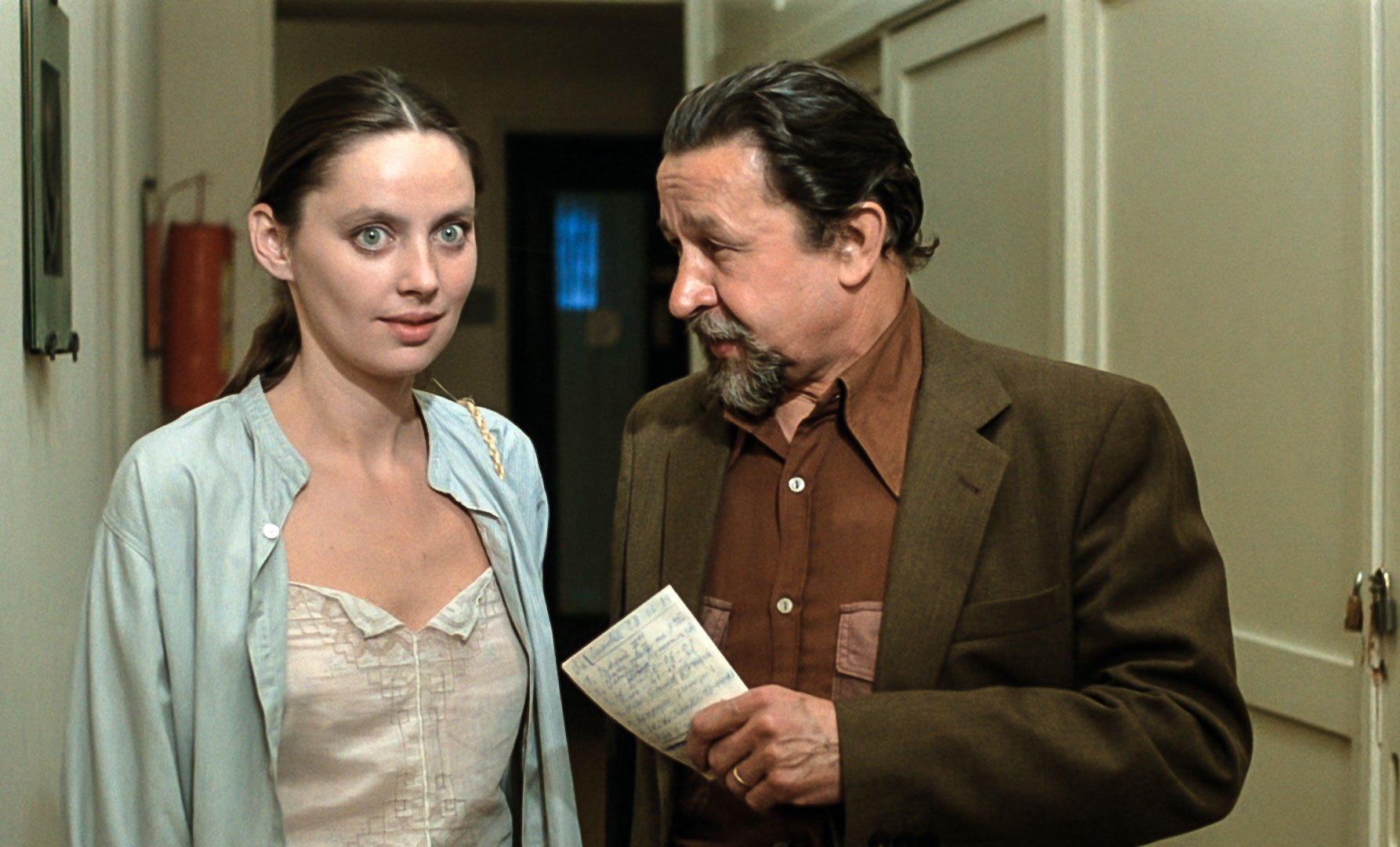
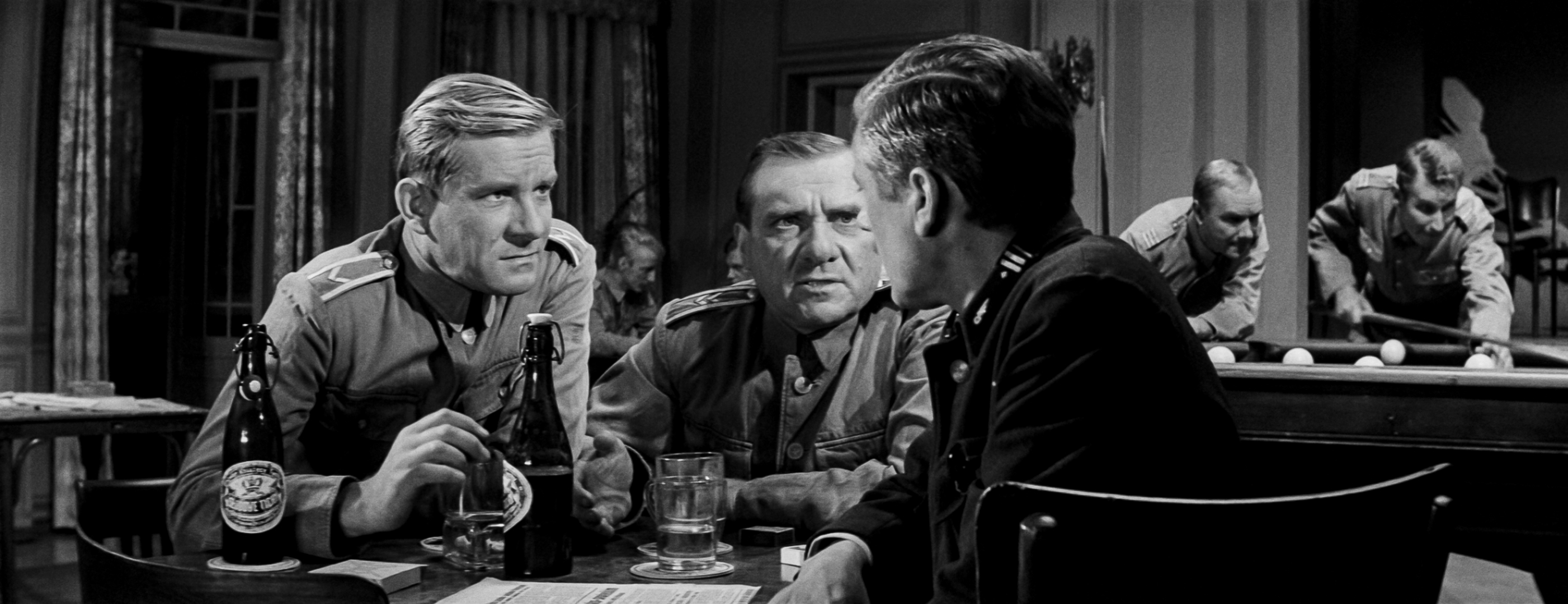
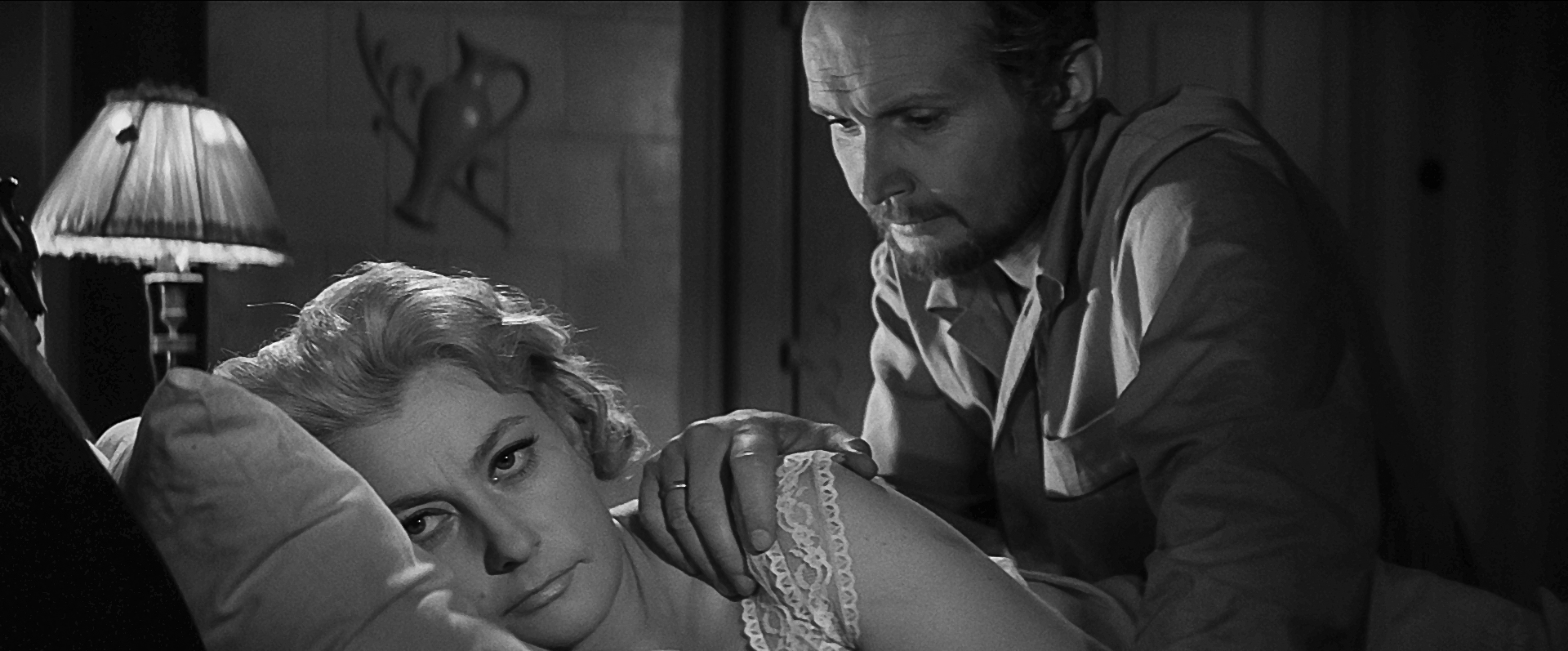
Kraków, the turn of February and March 1846. Arrested insurgents are tasked with identifying the body of Edward Dembowski in a mass grave, although rumors circulate that he is still alive. We flash back to early February to see how Dembowski (Piotr Garlicki), the informal leader of the Kraków uprising, attempts to unite various political forces in the struggle for the unification of Polish lands and the liberation of the peasants. The peasants, led by Jakub Szela (Bolesław Smela), initially distrust the insurgents and resist them. Dembowski warns Szela that he is mistaken in his intentions and reflects on his wife, child, and childhood in his father’s home—a senator accused of betraying the November Uprising. Alongside Jan Tyssowski (Zbigniew Zapasiewicz), he steps out to a cheering crowd, fighting to gain the peasants’ support and greater powers for the uprising. Local and national interests collide, and mutual arrests occur among the insurgents. Aware of the risks, Dembowski sends a letter to his wife asking for forgiveness. Disguised in a peasant’s smock, he sets out from Podgórze at the head of a patriotic-religious procession to win over the support of the local peasants—and falls under Austrian military fire on February 27.
historical
Zbigniew Zapasiewicz,
Bolesław Smela,
Wojciech Alaborski,
Henryk Machalica
Andrzej Kijowski